When people start their fitness journey, the first thing they often track is their weight.
They step on the scale…
They see a number…
And they judge their progress based on that alone.
But here’s the problem:
The scale does not tell the full story.
In many cases, it can actually be misleading.
Understanding the difference between fat loss and weight loss is one of the most important mindset shifts you can make if you want real, lasting results.
What Is Weight Loss?
Weight loss refers to a decrease in total body weight.
This includes:
• fat
• muscle
• water
• glycogen (stored energy)
When the number on the scale goes down, it doesn’t tell you what you lost — only that your weight changed.
That means:
You could be losing fat…
Or losing muscle…
Or simply losing water.
What Is Fat Loss?
Fat loss specifically refers to reducing body fat while preserving muscle.
This is what most people actually want.
Fat loss leads to:
• improved body composition
• better muscle definition
• increased strength and performance
• long-term sustainability
Unlike weight loss, fat loss focuses on quality, not just numbers.
Why the Scale Can Be Misleading
The scale measures everything — not just fat.
Your weight can fluctuate daily due to:
• water retention
• sodium intake
• carbohydrates
• hormones
• digestion
You might:
• lose fat but see no change on the scale
• gain muscle while losing fat (body recomposition)
• appear leaner while weighing the same
This is why relying only on the scale creates confusion.
The Biggest Mistake Beginners Make
Many people assume:
“If the scale isn’t going down, I’m not making progress.”
This leads to:
• frustration
• unnecessary diet changes
• extreme calorie restriction
• loss of motivation
But in reality, progress may be happening — just not in the way the scale shows.
Fat Loss vs Weight Loss: The Key Difference
Weight loss = total mass reduction
Fat loss = improvement in body composition
You don’t just want to be lighter.
You want to be:
• stronger
• leaner
• healthier
And that comes from fat loss — not just weight loss.
What You Should Track Instead
If the scale isn’t enough, what should you focus on?
1. Strength Progress
Are you getting stronger?
• lifting more weight
• performing more reps
• improving control
Strength is a clear sign your body is improving.
2. Body Measurements
Track areas like:
• waist
• hips
• chest
These changes often show fat loss before the scale does.
3. How Your Clothes Fit
This is one of the simplest and most effective indicators.
If your clothes feel looser — you’re making progress.
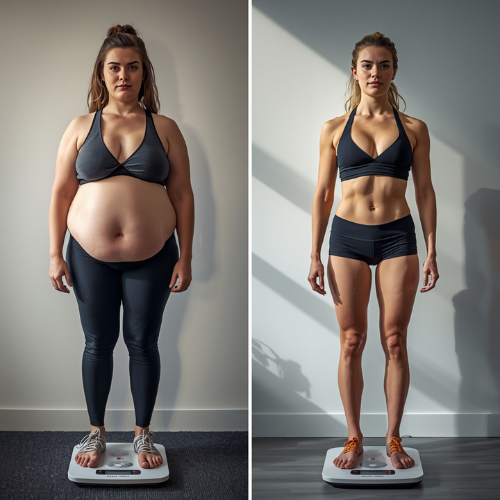
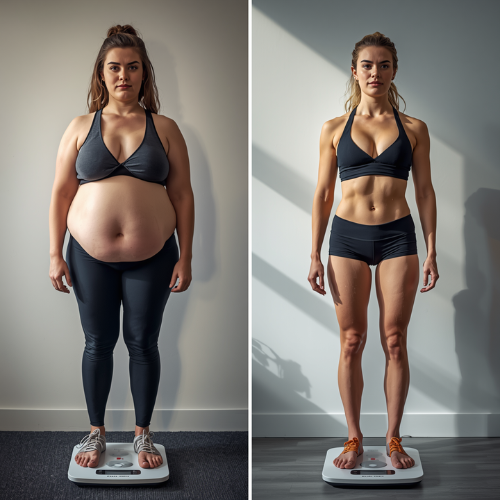
4. Progress Photos
Visual changes tell the real story.
Take photos every few weeks and compare.
You’ll often see changes the scale doesn’t show.
5. Energy and Performance
Ask yourself:
• Do I feel stronger?
• Do I have more energy?
• Are workouts improving?
These are real signs of progress.
6. Consistency
This is the most important metric.
Are you:
• showing up regularly
• following your plan
• building habits
Consistency leads to results.
Why Body Recomposition Matters
As a beginner, your body can:
• lose fat
• gain muscle
At the same time.
This is called body recomposition.
And during this phase:
The scale may not change much
But your body improves significantly
This is why focusing only on weight can hide real progress.
How to Focus on Fat Loss the Right Way
To prioritize fat loss:
• follow a balanced nutrition plan
• maintain adequate protein intake
• include strength training
• stay consistent
Avoid extreme dieting.
Because losing weight quickly often means losing muscle — not just fat.
The Role of Nutrition and Structure
Fat loss becomes easier when your nutrition supports your training.
A structured approach helps you:
• eat consistently
• maintain energy
• support recovery
• avoid guesswork
If you want a simple system, combining structured Programs and Meal Planning inside VitalSpark can help align your training and nutrition for better results.
The Mindset Shift That Changes Everything
Instead of asking:
“Did I lose weight?”
Start asking:
• Am I getting stronger?
• Am I more consistent?
• Do I feel better?
• Do I look different?
This shift changes how you see progress.
And helps you stay motivated long-term.
Final Thoughts: Focus on Progress, Not Just the Scale
The scale is just one tool.
Not the only one.
And definitely not the most important one.
Fat loss is about improving your body — not just reducing a number.
When you focus on:
• strength
• consistency
• performance
• body composition
You build results that last.
Don’t let the scale define your progress.
Measure what truly matters.
Start Your Fitness Transformation Today — Free Guide Included
Ready to take the guesswork out of your fitness journey?
Get your FREE copy of the Beginner Fitness Transformation Guide + Flipbook and learn how to build strength, improve your nutrition, and stay consistent — without burnout or confusion.
This step-by-step system is designed for real life, helping you create sustainable progress with clear structure and simple habits.
Or enter your email below and get instant access to your free guide.