Mobility training is one of the most overlooked components of fitness. Many people focus on strength, fat loss, or endurance, but ignore how well their body actually moves.
Over time, this imbalance can lead to stiffness, reduced performance, and even injury.
Mobility training is not just about stretching. It is about improving how your body moves, functions, and recovers so you can train consistently and safely.
If your goal is long-term strength and sustainable progress, mobility should be part of your routine.
What Is Mobility Training?
Mobility training focuses on improving the body’s ability to move through a full range of motion with control and stability.
Unlike simple stretching, mobility combines:
• flexibility
• strength
• coordination
• joint control
This allows your body to move more efficiently and safely during exercise.
For example, being able to squat deeper with proper form is not just about flexibility—it’s about mobility.
Explore mobility and recovery program
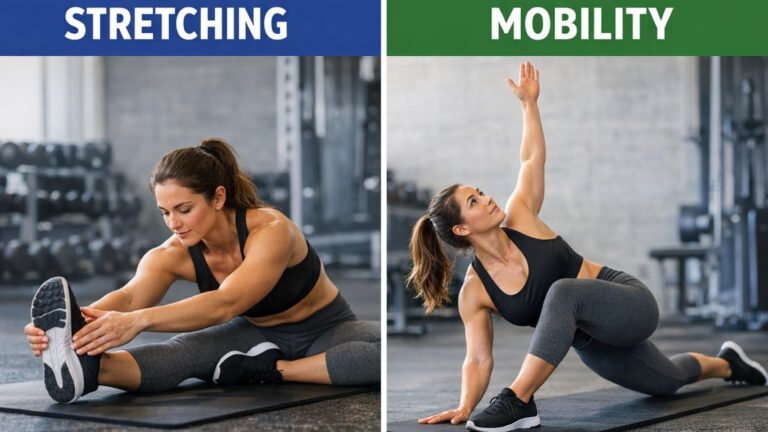
Mobility vs Stretching: What’s the Difference?
Many people assume mobility and stretching are the same, but they serve different purposes.
Stretching
Stretching focuses primarily on lengthening muscles. It can help reduce tightness but does not always improve how the body moves during exercise.
Mobility Training
Mobility training improves movement patterns by combining flexibility with strength and control.
This means your body not only becomes more flexible, but also more stable and efficient during workouts.
Why Mobility Training Matters
Mobility plays a critical role in how your body performs during exercise.
Improved Movement Quality
Better mobility allows you to perform exercises with proper form, making each movement more effective.
Reduced Risk of Injury
When joints and muscles move correctly, there is less strain placed on the body during workouts.
Better Strength Performance
Improved mobility allows you to move through a full range of motion, which can lead to better strength development.
Faster Recovery
Mobility exercises help improve blood flow and reduce muscle tension, supporting recovery between workouts.
Ignoring mobility can eventually limit your progress, even if your workouts are well structured.
Check out strength training system
Common Signs You Need Mobility Training
Many people don’t realize they have mobility limitations until discomfort or poor performance appears.
Here are a few signs mobility work may be needed:
• difficulty reaching full range of motion
• stiffness during workouts
• poor exercise form
• recurring tightness or discomfort
• slow recovery between sessions
Addressing these issues early can help prevent long-term setbacks.
Simple Mobility Exercises to Get Started
You don’t need a complicated routine to begin improving mobility. A few simple exercises can make a big difference over time.
Hip Mobility Movements
Exercises like hip openers and lunges help improve lower body flexibility and movement.
Shoulder Mobility Work
Arm circles and controlled rotations improve upper body movement and stability.
Dynamic Stretching
Active movements that prepare the body before workouts.
Controlled Movement Drills
Exercises that focus on slow, controlled movement patterns to build stability.
Consistency is more important than intensity when it comes to mobility training.

How Mobility Supports Strength Training
Strength training and mobility work best when combined.
Without mobility, strength exercises may be limited by poor movement patterns. With improved mobility, you can:
• perform exercises more effectively
• lift with better form
• reduce unnecessary strain
• build strength more safely
Mobility creates the foundation that allows strength training to work properly.
If you want a structured approach that combines both, you can explore the Healing & Mobility Program designed to support recovery and long-term movement quality.
The Role of Mobility in Recovery
Recovery is not just about rest. It is about helping the body repair and prepare for the next workout.
Mobility training supports recovery by:
• reducing muscle tension
• improving circulation
• restoring joint movement
• helping the body relax after training
Including mobility sessions in your weekly routine can help maintain consistency and prevent burnout.
Building Mobility Into Your Routine
Mobility does not need to take a large amount of time. Even short sessions can be effective.
You can include mobility work:
• before workouts as a warm-up
• after workouts for recovery
• on rest days as light activity
The key is to make mobility a regular part of your routine rather than an occasional activity.
Final Thoughts: Mobility Is Part of Long-Term Fitness
Mobility training is not just an add-on. It is an essential part of a balanced fitness system.
Strength, fat loss, and endurance all depend on how well your body moves.
By improving mobility, you support better performance, reduce the risk of injury, and create a stronger foundation for long-term progress.
When combined with structured training and proper recovery, mobility becomes a powerful tool for building sustainable fitness.
Ready to Build Sustainable Progress?
VitalSpark helps you train smarter, recover better, and stay consistent with structured workouts, smart nutrition, and real-life support.
[Start Free]
Start Your Fitness Transformation Today — Free Guide Included
Ready to take the guesswork out of your fitness journey?
Get your FREE copy of the Beginner Fitness Transformation Guide + Flipbook and learn how to build strength, improve your nutrition, and stay consistent — without burnout or confusion.
This step-by-step system is designed for real life, helping you create sustainable progress with clear structure and simple habits.
Or enter your email below and get instant access to your free guide.