Protein is one of the most talked-about nutrients in fitness — and also one of the most misunderstood.
Some people think they need extreme amounts.
Others don’t get enough at all.
The result?
Confusion.
If your goal is fat loss, strength, or building a consistent fitness routine, understanding protein is essential.
Because when your protein intake is right, everything else becomes easier.
Why Protein Is So Important for Fitness
Protein plays a key role in how your body performs and recovers.
It helps:
• repair and build muscle
• support recovery after workouts
• maintain strength during fat loss
• keep you feeling full longer
Without enough protein, your progress becomes slower and less effective.
How Much Protein Do You Really Need?
You don’t need complicated formulas.
A simple, effective guideline is:
0.7 to 1 gram of protein per pound of body weight
(or 1.6–2.2 grams per kilogram)
What This Looks Like in Real Life
• 150 lbs → 105–150g protein/day
• 180 lbs → 125–180g protein/day
• 200 lbs → 140–200g protein/day
If that feels like a lot, don’t worry.
Start by increasing gradually — consistency matters more than perfection.
Protein for Fat Loss
When your goal is fat loss, protein becomes even more important.
Helps Preserve Muscle
When you lose weight, your body can lose both fat and muscle.
Protein helps protect muscle, so more of the weight you lose comes from fat.
Keeps You Full Longer
Protein is more satisfying than carbs or fats.
This helps reduce:
• cravings
• overeating
• unnecessary snacking
Supports Metabolism
Your body uses more energy to digest protein compared to other nutrients.
This slightly increases calorie burn — supporting fat loss over time.
Protein for Strength and Muscle Growth
If your goal is strength, protein is essential.
Builds and Repairs Muscle
Training creates stress on your muscles.
Protein helps rebuild them stronger.
Improves Recovery
With enough protein:
• soreness is reduced
• recovery is faster
• workouts feel better
Supports Consistent Progress
When recovery improves, you can train more consistently — which leads to better results.
The Best Way to Consume Protein
Instead of trying to eat all your protein at once, spread it throughout the day.
Example Daily Structure
• Breakfast → 20–30g
• Lunch → 25–40g
• Dinner → 25–40g
• Snack → 10–20g
This improves absorption and makes it easier to stay consistent.
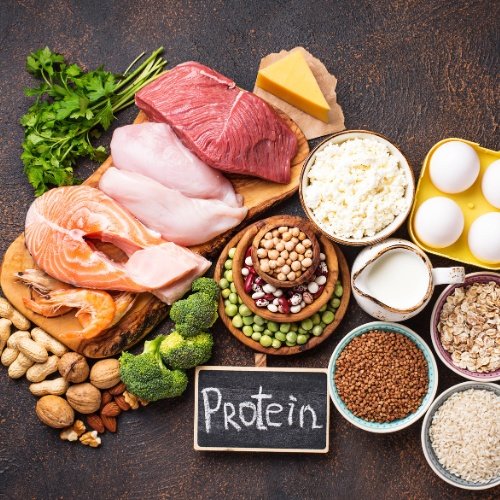
High-Protein Food Options
You don’t need complicated meals — just simple, reliable foods.
Animal-Based Options
• chicken breast
• lean beef
• fish (salmon, tuna)
• eggs
• Greek yogurt
Plant-Based Options
• lentils
• beans
• tofu
• chickpeas
• nuts and seeds
Convenient Options
• protein shakes
• protein bars (use occasionally)
• ready-to-eat high-protein foods
Common Protein Mistakes
Not Eating Enough Protein
Many beginners underestimate how much they need.
Skipping Protein Early in the Day
Starting your day without protein makes it harder to hit your goal later.
Overcomplicating Everything
You don’t need perfect numbers.
You need consistent habits.
Simple Strategies to Hit Your Protein Goal
Keep it practical and sustainable.
Build Meals Around Protein
Start every meal with a protein source — then add carbs and fats.
Keep It Convenient
Stock easy options like:
• eggs
• yogurt
• canned tuna
• protein shakes
Plan Ahead
Meal planning makes it easier to stay consistent.
If you already have your meals ready, you remove decision-making.
Connecting Protein With Your Overall Fitness System
Protein works best when combined with:
• structured training
• consistent meal planning
• proper recovery
When everything works together:
• fat loss becomes easier
• strength improves
• energy stays stable
This is what creates long-term success.
Structured Nutrition With VitalSpark
If you want a simple way to stay consistent, having a structured system helps.
Inside VitalSpark, nutrition is designed to:
• support your workouts
• align with your goals
• simplify daily decisions
Instead of guessing, you follow a plan that supports real progress.
Final Thoughts: Keep It Simple and Consistent
You don’t need extreme diets or complicated calculations.
You need a simple approach you can follow every day.
Focus on:
• protein in every meal
• balanced nutrition
• consistency over perfection
Because the results you want come from what you do consistently — not occasionally.
Start Your Fitness Transformation Today — Free Guide Included
Ready to take the guesswork out of your fitness journey?
Get your FREE copy of the Beginner Fitness Transformation Guide + Flipbook and learn how to build strength, improve your nutrition, and stay consistent — without burnout or confusion.
This step-by-step system is designed for real life, helping you create sustainable progress with clear structure and simple habits.
Or enter your email below and get instant access to your free guide.