

Starting a fitness journey is often exciting. You feel motivated, energized, and ready to make positive changes. You set goals, plan your workouts, and imagine the stronger, healthier version of yourself you want to become.
But what happens when that initial excitement fades?
Life gets busy. Work becomes demanding. Some days, you’re tired, stressed, or simply don’t feel like exercising. Suddenly, the motivation that once pushed you forward isn’t as strong as it used to be.
This is where many people struggle.
The truth is, motivation can help you get started, but consistency is what helps you keep going.
Long-term fitness success isn’t built on perfect workouts, endless enthusiasm, or extreme routines. It’s built through small, repeatable actions that gradually become part of your everyday life.
In this guide, we’ll explore why consistency matters more than motivation, how sustainable habits support long-term fitness, and practical ways to keep moving forward even when motivation disappears.
What Is the Difference Between Motivation and Consistency?
Motivation and consistency are closely connected, but they serve different purposes in your fitness journey.
Motivation Gets You Started
Motivation is the emotional drive that encourages you to take action.
You might feel motivated after watching an inspiring transformation, setting a new fitness goal, or realizing you want to improve your health.
That excitement can be powerful.
However, motivation naturally fluctuates. Your energy, emotions, responsibilities, and circumstances change from day to day.
Relying entirely on motivation can make exercise feel optional whenever that excitement disappears.
Consistency Keeps You Moving Forward
Consistency means continuing to practice healthy habits regularly, even when circumstances aren’t ideal.
It doesn’t mean exercising every day or following a perfect meal plan.
Instead, it means creating realistic routines that you can return to repeatedly.
For example:
- Completing three manageable workouts each week.
- Preparing balanced meals ahead of time.
- Taking regular walks during busy periods.
- Allowing yourself adequate rest and recovery.
- Returning to your routine after missing a workout.
Motivation creates the spark. Consistency keeps it alive.
And over time, those repeated actions can lead to meaningful improvements in strength, endurance, confidence, and overall well-being.
Why Motivation Alone Isn’t Enough for Long-Term Fitness
One of the biggest challenges in fitness is maintaining momentum after the excitement of starting something new begins to fade.
Many people start with ambitious expectations.
They commit to exercising six days a week, completely changing their diets, and transforming their bodies as quickly as possible.
Although enthusiasm can be helpful, making too many changes at once can become overwhelming.
1. Motivation Changes With Your Mood
Some mornings, you wake up feeling energetic and ready to train.
Other days, you’re exhausted from work, family responsibilities, or poor sleep.
If your workout routine depends entirely on how motivated you feel, maintaining consistency becomes difficult.
Having a realistic schedule reduces the need to make a new decision every day.
2. Unrealistic Expectations Create Frustration
Fitness progress takes time.
Strength development, improvements in cardiovascular fitness, and changes in body composition happen gradually.
When people expect immediate results, they may become discouraged if progress doesn’t match their expectations.
Focusing on achievable weekly habits helps shift attention away from instant results.
3. Extreme Routines Are Difficult to Maintain
An intense workout schedule may feel exciting initially, but it may not fit your lifestyle over the long term.
Excessive training without sufficient recovery can also increase fatigue and interfere with performance.
A sustainable routine balances effort with recovery and flexibility.
4. Motivation Doesn’t Replace Planning
Even highly motivated individuals can struggle without a clear plan.
Knowing what exercises to perform, when to train, and how to progress removes unnecessary confusion.
That’s why structure is so important.
A well-designed fitness routine makes it easier to take action, regardless of how motivated you feel.
The Power of Small, Consistent Fitness Habits
You don’t need to make dramatic lifestyle changes to improve your fitness.
Often, the most effective starting point is making small improvements that you can maintain.
Consider someone who begins with two strength training sessions per week.
At first, those workouts might feel simple.
But after several weeks, the person becomes more familiar with the exercises, develops confidence, and begins improving their strength.
Over time, they may gradually increase their training frequency or resistance as their abilities improve.
This is the power of consistency.
Small Habits Build Momentum
Repeated actions make healthy routines feel more familiar.
For example:
- Walking for 15–20 minutes after work.
- Preparing tomorrow’s lunch in advance.
- Completing two or three weekly strength workouts.
- Practicing a short mobility routine.
- Maintaining a regular sleep schedule.
Each habit may seem small individually, but together they create a foundation for long-term progress.
Progress Doesn’t Have to Be Perfect
Missing a workout doesn’t erase your previous effort.
Neither does having an unusually busy week or taking additional recovery time when your body needs it.
What matters is your ability to return to your routine without feeling that you must start over completely.
Consistency isn’t about never missing a day. It’s about continuing your journey despite occasional setbacks.
How to Build a Fitness Routine You Can Actually Maintain
Creating a sustainable fitness routine requires more than choosing exercises.
It involves understanding your schedule, setting realistic expectations, and developing habits that fit your everyday life.
Here are six practical strategies.
1. Start With Realistic Goals
Avoid committing to an intense schedule simply because you’re excited to begin.
Instead, ask yourself:
- How many days can I realistically exercise?
- How much time can I dedicate to each session?
- What activities do I genuinely enjoy?
- What obstacles might interfere with my routine?
For many beginners, two or three weekly strength sessions can be a manageable starting point.
You can gradually increase activity as your fitness and confidence improve.
2. Create a Simple Weekly Workout Schedule
Having a predictable routine reduces decision-making and helps exercise become part of your week.
Example beginner-friendly schedule:
| Day | Activity |
|---|---|
| Monday | Full-body strength training |
| Tuesday | Walking or light mobility |
| Wednesday | Rest or gentle activity |
| Thursday | Full-body strength training |
| Friday | Walking or stretching |
| Saturday | Optional recreational activity |
| Sunday | Rest and weekly planning |
Adjust this example to your current fitness level, available time, and recovery needs.
You don’t need to follow an identical schedule every week. The goal is to establish a routine that provides structure while remaining flexible.
3. Focus on Showing Up
Not every workout needs to be your best performance.
Some days, you may feel strong and energetic.
Other days, a shorter or lighter session may be more appropriate.
Learning to adjust your effort while respecting your body’s needs is an important part of sustainable fitness.
Consistency should never mean pushing through illness, injury, significant dizziness, or unusual exhaustion.
4. Track Your Progress
Tracking helps you recognize improvements that might otherwise go unnoticed.
Consider monitoring:
- Completed workouts.
- Strength improvements.
- Walking or activity frequency.
- Exercise technique.
- Energy and recovery patterns.
- Weekly consistency.
Remember that progress isn’t measured only by body weight or physical appearance.
Improved confidence, better movement, and greater endurance are meaningful achievements too.
5. Make Nutrition Part of Your Routine
Consistent training works best when supported by practical nutrition habits.
You don’t need a complicated diet.
Focus on balanced meals that include appropriate amounts of protein, carbohydrates, healthy fats, fruits, and vegetables.
Planning a few meals ahead can help reduce daily decisions and make nutritious eating more manageable.
For additional guidance, explore VitalSpark’s Meal Planning page to learn how structured nutrition can complement your fitness goals.
6. Plan for Setbacks
Life rarely follows a perfect schedule.
Work demands, family responsibilities, travel, and unexpected challenges can interrupt even the best routines.
Instead of abandoning your plan, consider adjusting it.
If you miss a workout, resume when you can.
If your schedule becomes busy, reduce your workout duration or frequency temporarily.
If you need additional recovery, give yourself time to rest.
Flexibility helps make consistency possible.
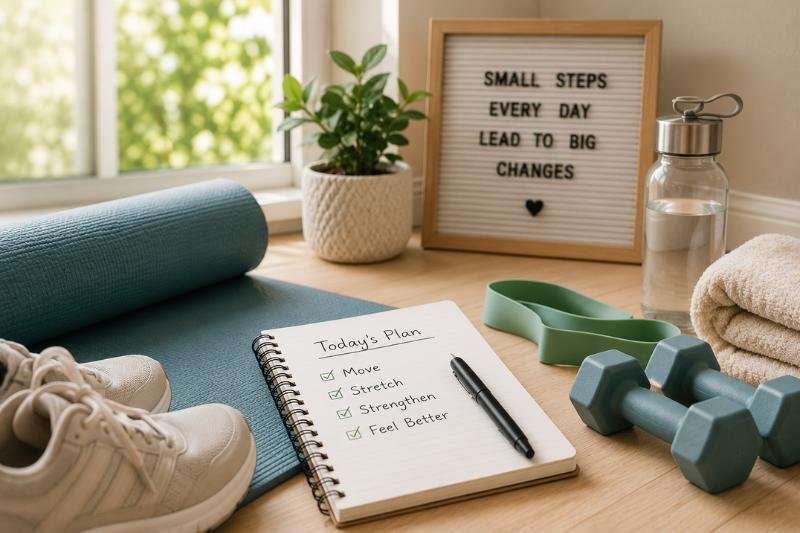
Why Recovery Is Essential for Fitness Consistency
One common misconception is that staying consistent means constantly pushing yourself harder.
But effective training also requires recovery.
When you exercise, your muscles and other body systems experience physical stress. Rest, sleep, and appropriate nutrition help support adaptation.
Without adequate recovery, fatigue can accumulate and make regular exercise more difficult.
Build Recovery Into Your Schedule
A balanced fitness routine should include:
- Rest days between demanding training sessions when needed.
- Sufficient sleep.
- Appropriate nutrition and hydration.
- Gentle movement or mobility activities.
- Adjustments when your body needs additional recovery.
Recovery isn’t a distraction from your fitness goals.
Recovery is part of the process that makes continued progress possible.
The goal isn’t to train as hard as possible every day. It’s to develop a routine you can maintain over months and years.
How Structure Helps You Stay Consistent
One of the most effective ways to reduce dependence on motivation is to create a clear fitness system.
Without structure, every workout can become another decision.
What should you train today?
Which exercises should you perform?
How many sets should you complete?
How do you know whether you’re improving?
These questions can create unnecessary confusion.
A structured fitness program provides a clearer path forward.
It helps organize training, progression, recovery, and tracking so you can spend less time guessing and more time taking meaningful action.
At VitalSpark by Ferdie, this philosophy is central to our approach.
We believe fitness should be built around real people, real schedules, and sustainable progress.
Explore our Beginner Fitness Program to discover how a structured approach can help you develop confidence and long-term consistency.
Consistency Over Perfection: A Healthier Fitness Mindset
A sustainable fitness journey requires patience.
There will be days when you feel motivated and days when you don’t.
There will be weeks when your workouts go exactly as planned and others when life requires adjustments.
That’s normal.
The key is learning to measure progress through your overall habits rather than individual setbacks.
Instead of asking:
“Did I follow my plan perfectly this week?”
Try asking:
“Did I make meaningful progress toward my goals?”
This shift encourages a healthier relationship with exercise.
You begin to recognize that fitness isn’t a temporary challenge or a short-term transformation.
It’s an ongoing commitment to caring for your body and supporting your well-being.
And that commitment can evolve as your life changes.
Frequently Asked Questions About Fitness Consistency
Is consistency more important than motivation in fitness?
Consistency is generally more reliable for long-term fitness progress because motivation naturally changes. A realistic routine helps you continue exercising even when enthusiasm is low.
How many days a week should beginners exercise?
Many beginners can start with two or three strength training sessions per week, combined with walking or other enjoyable activities. The appropriate frequency depends on individual health, experience, goals, and recovery needs.
What should I do when I lose motivation to work out?
Consider reducing the size of your workout, choosing an enjoyable activity, or revisiting your goals. A manageable routine can make restarting easier. If you’re unusually fatigued or unwell, prioritize appropriate rest.
Can I still make progress if I miss workouts?
Yes. Occasional missed workouts are normal. Long-term progress depends on your overall training pattern, not perfect attendance.
How long does it take to build a fitness habit?
There is no universal timeline. Habit formation varies depending on the person, behavior, and environment. Repeating a manageable activity in a consistent context can help it become more automatic over time.
Final Thoughts: Motivation Starts the Journey, Consistency Builds the Future
Motivation is valuable.
It can inspire you to set goals, make positive changes, and take the first step toward a healthier lifestyle.
But motivation alone cannot carry you through every challenge.
Long-term fitness progress requires patience, structure, adaptability, and the willingness to keep returning to healthy habits.
You don’t need perfect workouts.
You don’t need extreme diets.
And you don’t need to feel motivated every single day.
What you need is a realistic plan that supports your life and allows you to move forward at a sustainable pace.
Start where you are. Build habits you can maintain. Celebrate small improvements.
Because real strength isn’t built in one workout.
It’s built through the choices you continue making over time.
Ready to Build Sustainable Progress?
Your fitness journey deserves more than temporary motivation.
VitalSpark by Ferdie brings structured workout programs, smart meal planning, and progress tracking together to help you build healthy habits that fit your lifestyle.
Whether you’re just getting started or rebuilding your routine, VitalSpark is designed to support consistency without unnecessary extremes.
Explore VitalSpark and discover a smarter approach to fitness.
Train with purpose. Fuel your progress. Stay consistent.
Fitness & Wellness Disclaimer: This article provides general educational information and is not a substitute for individualized medical advice. Consult a qualified healthcare professional before starting or changing an exercise program, particularly if you have medical conditions, persistent symptoms, or physical limitations.
Or enter your email below and get instant access to your free guide.