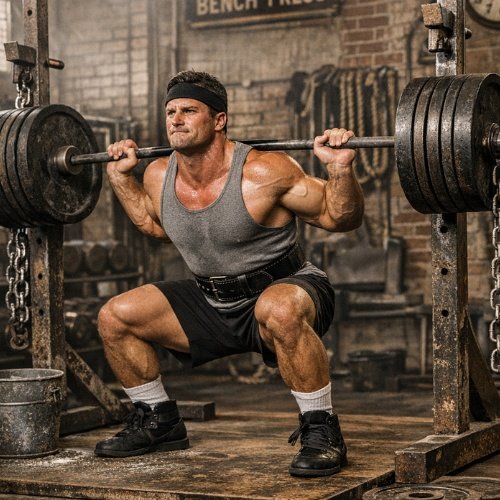

When progress slows down, most people think the solution is simple:
Train harder. Do more. Push further.
But sometimes, the real problem isn’t lack of effort.
It’s lack of recovery.
Your body doesn’t grow stronger during workouts.
It grows stronger after them — during recovery.
And when recovery is ignored, progress stalls… or even reverses.
Understanding when your body needs rest instead of more training is one of the most important skills in fitness.
Why More Workouts Isn’t Always Better
It’s easy to believe that more workouts lead to faster results.
But without proper recovery, your body stays in a constant state of stress.
This can lead to:
• fatigue
• decreased performance
• increased injury risk
• lack of motivation
Progress requires balance — not extremes.
The Role of Recovery in Fitness
Recovery allows your body to:
• repair muscle tissue
• restore energy levels
• regulate hormones
• reduce inflammation
Without it, your body cannot perform at its best.
Recovery is not a break from progress.
It is progress.
The 5 Signs Your Body Needs More Recovery
If you’re unsure whether you need rest or more workouts, look for these signs:
1. Constant Fatigue
Feeling tired after a workout is normal.
Feeling tired all the time is not.
If you:
• wake up feeling drained
• struggle to find energy for workouts
• feel exhausted throughout the day
Your body may not be recovering properly.
2. Decreased Performance
One of the clearest signs of poor recovery is declining performance.
If you notice:
• reduced strength
• fewer repetitions
• less endurance
Despite consistent effort, your body may need rest — not more intensity.
3. Persistent Muscle Soreness
Soreness is normal, especially for beginners.
But if soreness:
• lasts for several days
• doesn’t improve between workouts
• affects your movement
It may be a sign that your muscles are not fully recovering.
4. Lack of Motivation
Mental fatigue is just as important as physical fatigue.
If you:
• feel unmotivated to train
• dread your workouts
• lose excitement for fitness
Your body and mind may be asking for recovery.
5. Increased Risk of Injury
When your body is overworked, your form and control decline.
This increases the risk of:
• strains
• joint pain
• injuries
Small aches can turn into bigger problems if ignored.
Why Ignoring These Signs Slows Progress
Pushing through fatigue might feel productive — but it often backfires.
Without recovery:
• muscles don’t repair properly
• strength gains slow down
• fatigue accumulates
And over time, progress becomes harder to maintain.
What to Do Instead
If you recognize these signs, the solution is not to stop completely.
It’s to adjust.
Prioritize Rest Days
Include at least:
• 1–2 rest days per week
This allows your body to fully recover.
Improve Sleep
Sleep is the most powerful recovery tool.
Aim for:
• 7–9 hours per night
Better sleep = better performance.
Stay Active (Lightly)
Recovery doesn’t mean doing nothing.
Light movement can help:
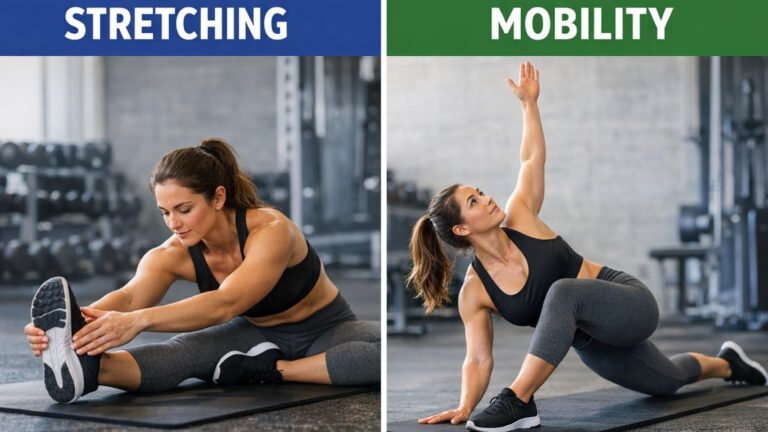
• walking
• stretching
• mobility work
This improves circulation and reduces stiffness.
Support Recovery With Nutrition
Your body needs fuel to recover.
Focus on:
• protein for muscle repair
• balanced meals for energy
• hydration

The Balance Between Training and Recovery
Fitness is not just about how hard you train.
It’s about how well you recover.
The goal is not to push your limits every day.
The goal is to build a system you can sustain.
When Recovery Improves Results
When you prioritize recovery, you’ll notice:
• better performance
• increased strength
• improved energy
• greater consistency
You train better because your body is ready — not exhausted.
Connecting Recovery With a Structured System
Recovery works best when it’s part of a structured plan.
When your training, nutrition, and rest are aligned:
• workouts become more effective
• fatigue is managed
• progress becomes consistent
If you want a balanced approach, combining structured Programs and Meal Planning inside VitalSpark can help you train smarter — not just harder.
Final Thoughts: Train Smart, Not Just Hard
More workouts are not always the answer.
Sometimes, the smartest thing you can do is step back — so you can come back stronger.
Listen to your body.
Respect recovery.
Stay consistent.
Because real progress is not built on exhaustion —
It’s built on balance.
[Start Free]
Start Your Fitness Transformation Today — Free Guide Included
Ready to take the guesswork out of your fitness journey?
Get your FREE copy of the Beginner Fitness Transformation Guide + Flipbook and learn how to build strength, improve your nutrition, and stay consistent — without burnout or confusion.
This step-by-step system is designed for real life, helping you create sustainable progress with clear structure and simple habits.
Or enter your email below and get instant access to your free guide.