One of the biggest challenges people face in their fitness journey is not motivation — it’s time.
Busy schedules, long workdays, and daily responsibilities make it difficult to focus on nutrition.
So what happens?
Meals become last-minute decisions.
Convenience takes priority over quality.
Consistency becomes harder to maintain.
But here’s the truth:
Eating healthy doesn’t require hours in the kitchen.
With the right approach, meal planning can be simple, fast, and sustainable — even for the busiest lifestyles.
Why Busy People Struggle With Nutrition
The issue is not a lack of discipline.
It’s a lack of structure.
Common challenges include:
• limited time to cook
• decision fatigue after long days
• reliance on fast or convenient food
• lack of planning ahead
Without a system, healthy eating becomes difficult to maintain.
What Meal Planning Really Means
Meal planning is not about cooking complex meals every day.
It’s about creating a simple structure that saves time and reduces stress.
A practical approach includes:
• planning a few meals ahead
• choosing simple, repeatable foods
• preparing in advance when possible
• keeping flexibility in your routine
The goal is not perfection — it’s consistency.
The Biggest Myth About Meal Planning
Many people believe meal planning means:
Spending hours cooking.
Preparing every meal in advance.
Eating the same food every day.
That’s not true.
Meal planning can be:
• simple
• flexible
• time-efficient
You don’t need a complicated system to see results.
How to Eat Healthy Without Spending Hours Cooking
Here are simple, effective strategies that work for busy people:
1. Keep Your Meals Simple
You don’t need variety in every meal.
Choose a few go-to meals and repeat them.
Examples:
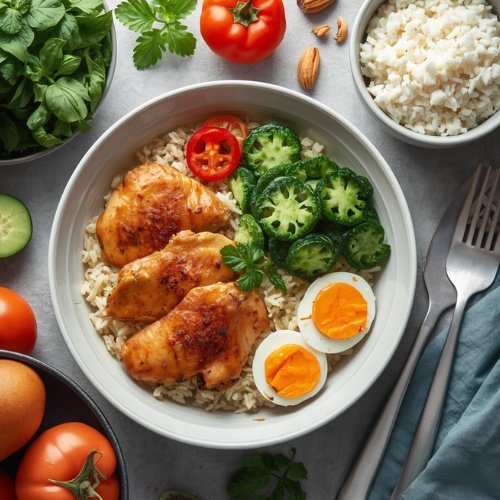
• chicken + rice + vegetables
• eggs + toast + fruit
• yogurt + nuts
Simple meals reduce time and decision-making.
2. Use the “Base Meal” Strategy
Build meals using the same foundation:
• protein
• carbs
• vegetables
Then rotate ingredients.
This creates variety without complexity.
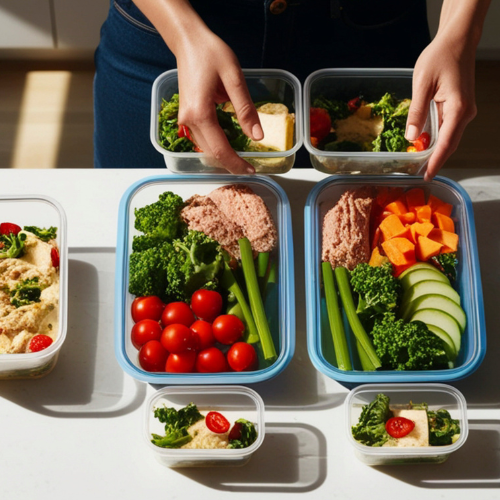
3. Cook Once, Eat Multiple Times
Instead of cooking daily:
• prepare larger portions
• store leftovers
• reuse meals
This saves time throughout the week.
4. Use Quick and Convenient Foods
Healthy eating doesn’t require everything to be homemade.
Use:
• pre-cut vegetables
• frozen foods
• ready-to-eat protein sources
Convenience can support consistency.
5. Plan Just 1–2 Days Ahead
You don’t need a full weekly plan.
Start small:
• plan tomorrow’s meals
• prepare a few key foods
This keeps things manageable.
6. Create a Simple Grocery System
Stick to a basic list of foods you regularly use.
This reduces time spent shopping and planning.
7. Have Backup Options
Busy days happen.
Keep quick options available:
• protein shakes
• healthy snacks
• simple meals
This prevents falling off track.
A Simple Meal Planning Example
Here’s what a busy-friendly plan can look like:
Breakfast:
Eggs + toast + fruit
Lunch:
Chicken + rice + vegetables
Dinner:
Ground beef or fish + potatoes + vegetables
Snack (optional):
Greek yogurt or nuts
This structure is simple, repeatable, and effective.
Why This Approach Works
This method works because it focuses on:
• simplicity
• efficiency
• consistency
Instead of relying on motivation, you rely on structure.
And structure makes healthy eating easier.
How Meal Planning Supports Your Fitness Goals
When your nutrition is structured:
• energy levels improve
• recovery becomes faster
• workouts become more effective
• consistency becomes easier
This leads to better long-term results.
Connecting Meal Planning With Your Routine
Meal planning works best when it fits your lifestyle.
You don’t need to change everything.
You need to simplify what already exists.
When your meals are planned:
• decisions are easier
• stress is reduced
• habits become automatic
A Smarter Way to Stay Consistent
If you want to remove guesswork completely, using a structured system can help.
Inside VitalSpark, the Meal Planning system is designed to:
• simplify your food choices
• align nutrition with your training
• support real-life schedules
• help you stay consistent
This turns nutrition into a system — not a daily challenge.
Final Thoughts: Simple Systems Create Real Results
You don’t need more time.
You need better structure.
Meal planning for busy people is not about doing more —
It’s about doing things smarter.
Keep it simple.
Stay consistent.
Build a system that works for your life.
Because the best plan is the one you can follow.
Start Your Fitness Transformation Today — Free Guide Included
Ready to take the guesswork out of your fitness journey?
Get your FREE copy of the Beginner Fitness Transformation Guide + Flipbook and learn how to build strength, improve your nutrition, and stay consistent — without burnout or confusion.
This step-by-step system is designed for real life, helping you create sustainable progress with clear structure and simple habits.
Or enter your email below and get instant access to your free guide.